
Insomnia Treatment in Michigan
Clinically reviewed by the Michigan Sleep Center clinical team · August 2026
Cognitive Behavioral Therapy for Insomnia (CBT-I) is the first treatment recommended by major clinical guidelines for chronic insomnia. Our Michigan clinicians use it to help you fall asleep more easily, spend less time awake at night and feel better during the day.
When trouble sleeping becomes chronic insomnia
Chronic insomnia means difficulty falling asleep, staying asleep or returning to sleep at least three nights a week for three months or longer. It occurs despite enough opportunity to sleep and affects how you feel or function during the day.
Insomnia can begin during stress, illness or a change in routine. Sleep habits and worry about sleep may then keep it going after the original trigger has passed. CBT-I addresses these patterns, including when insomnia has lasted for years.
Why CBT-I is the first-line treatment
The American College of Physicians recommends CBT-I as the initial treatment for chronic insomnia, and the American Academy of Sleep Medicine also strongly recommends it. Treatment teaches skills you can continue using after sessions end.
CBT-I combines an individualized sleep schedule with strategies for reducing time awake in bed and managing unhelpful thoughts about sleep. Your clinician guides you through these changes and adjusts them to your circumstances.
What treatment looks like here
The first visit takes about 50 minutes. Your clinician asks about your sleep history, daily schedule, health and previous treatments to decide whether CBT-I is appropriate.
Most patients meet with Michigan-licensed clinicians by video. A limited number of in-person appointments are available; please confirm when booking.
During four to eight weekly sessions, you keep a brief sleep diary and review it with your clinician. Together, you adjust your sleep schedule and practice ways to manage wakefulness and worry.
Your clinician also considers conditions such as anxiety, pain and sleep apnea. Insomnia and sleep apnea often occur together. We treat insomnia and coordinate referrals to partners who treat apnea when needed.
Clinicians Who Treat Insomnia Here
Our Michigan clinicians are trained in CBT-I and licensed to provide care in the state. You can read about their experience and areas of focus before choosing a clinician. See the full team.

Deirdre Conroy
PhD, CBT-I, Clinician Trainer, Professor
Specialities: Insomnia
Approaches: Cognitive Behavioral Therapy, Mindfulness, Motivational interviewing, Solution-focused
Dr. Conroy is a leading expert in sleep medicine and cognitive behavioral therapy for insomnia. She brings extensive research experience and clinical expertise to help patients overcome sleep challenges. Her approach combines evidence-based treatments with personalized care strategies.
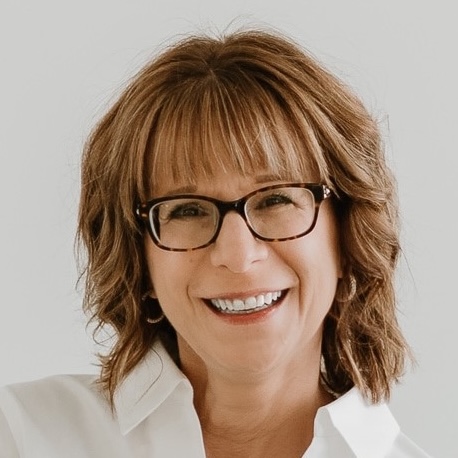
Stacey Gedeon
PsyD, CBT-I, Sleep Clinician
Specialities: Insomnia, Anxiety, Burnout, Executive Coaching, Life transitions
Approaches: Cognitive Behavioral Therapy, Motivational interviewing, Solution-focused
Dr. Gedeon specializes in cognitive behavioral therapy for insomnia and has extensive experience helping patients develop healthy sleep habits. She is committed to providing compassionate, evidence-based care tailored to each individual's unique sleep needs.

Elizabeth Goss
PhD, CBT-I, Sleep Clinician
Specialities: Insomnia, Anxiety, Depression, Veterans, Trauma and PTSD, Pain, LGBTQ+ Issues
Approaches: Cognitive Behavioral Therapy, Mindfulness, Motivational interviewing, Solution-focused
Dr. Goss is a clinical psychologist with extensive expertise in CBT-I and behavioral sleep medicine. She combines her research background with clinical practice to provide evidence-based sleep treatment. Her approach focuses on empowering patients with the knowledge and skills needed for lasting sleep improvement.
Insomnia Treatment FAQs
How fast does CBT-I work?
A course of CBT-I usually involves four to eight weekly sessions. Some patients notice changes within two or three sessions, while others need longer. Your clinician adjusts the plan based on your sleep diary and progress.
Is insomnia treatment covered by insurance in Michigan?
Yes, in most cases. CBT-I is delivered by licensed clinicians and billed like other outpatient behavioral health care. Michigan plans we work with include Aetna, Blue Care Network, Blue Cross Blue Shield, Blue Cross Blue Shield Medicare Advantage, Cigna / Evernorth, Federal Employee Program, Medicare, Priority Health, UnitedHealthcare / Optum, UnitedHealthcare Medicare Advantage and Veterans Affairs Community Care Network. If you do not see your plan, call us and we will check your coverage before your first appointment.
Do I have to stop taking sleeping pills before starting?
No. You can start CBT-I while taking sleep medication. If you want to reduce it, your clinician will coordinate with your prescriber. Any changes to medication should be made with the prescribing clinician.
Is online CBT-I as effective as meeting in person?
Clinical trials have found comparable results for CBT-I delivered by video and in person. In either format, you review your sleep diary, discuss difficulties and practice changes between sessions.
How is CBT-I different from sleep hygiene tips?
Sleep hygiene covers general habits, such as limiting caffeine and keeping a comfortable bedroom. CBT-I is a structured treatment that also addresses time spent awake in bed, sleep schedules and worry about sleep.
Start insomnia treatment
Book an initial appointment to discuss your sleep and treatment options. You can also learn about anxiety therapy or read our guide to sleep studies.
Book an Appointment